What is the problem now?
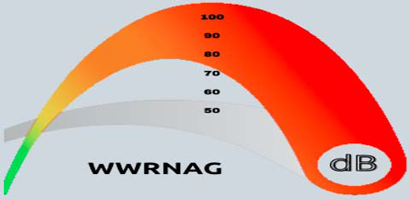
From our own noise measurements and calculations, it is clear that rail noise noise exceeds the EPA licence level by a factor of around 5 times. That is, the trains going past are 5 times noisier over a day than they should be.
By way of explanation, the licence level for noise used to be an average of 60dB over the daytime hours of 7am to 10pm, and 55dB for the remainder of the day. In the reissue of the licence in 2013, the limits were increased to 65dBand 60dB respectively - does not seem to be much but remember that this is an increase of more than THREE times the allowable noise. For good measure, without consultation, the limits - which were always advisory anyway - were taken out of the licence completely. We are quoting the 2013 limits here.
There are two main factors in the noise increase over the years. Firstly, there are twice as many trains as there used to be before the opening of the Epping to Chatswood line in 2008. Secondly, the new trains make more noise when they ride around the tight curves than the old trains made. This is summarised in the table below.
| The Year | Trains Per Day | Leq(15) dB | x Licence Level (65dB) |
| 2005 | 200 | 67.7 | 1.86 |
| 2013 | 439 | 70.7 | 3.72 |
| 2018 | 439 | 71.3 | 4.26 |
| 2019 | 470 | 72.0 | 5.01 |
| 2020 | 470 | 72.1 | 5.12 |
The noise can also be influenced by operational changes such as speed limits and maintenance levels of both wheel and rail. It can be reduced by noise walls.
While we are pleased to see the introduction of a new rail service to the North West, it increased the 15 hour noise average to over 5 times the level recommended in the EPA License levels (before they removed the recommendations!).
So while we accept that if you buy a house near the train line, you should expect to hear trains, we don’t accept that the noise can increase by 5 times with no mitigation.
Be the first to comment