What is equivalent noise and why is it important?
The Equivalent Sound Level is an average of the noise measurements across a time period. The LEQ15 is the average noise level over 15 hours between 7am to 10pm. It is the basis of daytime noise regulation for many environmental noise situations.
The LEQ15 is calculated using measured noise and a standard process set down by the EPA. The process is complex because the noise measurements are not linear— double the noise is not double the noise measurement.
The LEQ15 descriptor correlates well with the health effects and social impacts of noise on people.
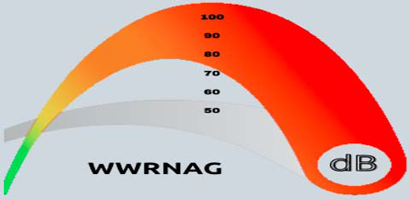
The EPA has set the LEQ15 recommended level at 65bB. This means that if all the noise of the trains was spread evenly throughout the day, it should be about as loud as a normal conversation. Our measurements show that it is about 73dB which is more than six times as loud as the recommended level.
The World Health Organisation thinks differently. It recommends that the average over the day be limited to 55dB. The Sydney Trains in Wollstonecraft are 63 times louder than this and they will get louder.
Be the first to comment